Nnamdi Kanu Biography: Family, Wife, Cases, Career, Education
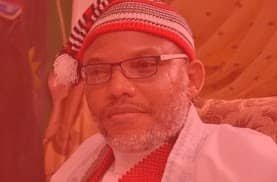
The story of Nnamdi Kanu is one of conviction, controversy, and unshakable belief in a cause he considers greater than himself. For many people across Nigeria and beyond, the name sparks strong reactions—admiration, disagreement, fear, loyalty, or curiosity. His rise from a young Igbo boy in Abia State to a global figure in separatist activism is a journey marked by passion, conflict, and historic political tension. This Nnamdi Kanu biography takes a deep look at his early life, education, family background, activism, legal battles, and the events that shaped him into the man he is today. The aim is not to copy information from sources but to expand and give a complete, well-structured narrative that helps readers understand the person behind the headlines.
Early days
The early days of Nnamdi Kanu shaped the strong identity and cultural pride that would later define his activism. He was born on 25 September 1967 in Isiama Afara Ukwu, a community in Abia State. Being born in the final months of the Nigeria–Biafra war placed him in an environment filled with stories of loss, resilience, and cultural survival. His childhood years were influenced by tales of the Biafran struggle passed down from elders, including his own parents. These early experiences played a major role in forming his political outlook, and they later became a core part of the Nnamdi Kanu biography.
Growing up in a traditional Igbo household, he was exposed to rich cultural values and strong community principles. His father, a respected traditional ruler, was known for his leadership and deep involvement in community affairs. These cultural roots helped Kanu develop the self-confidence, boldness, and oratory strength he would become known for.
Nationality
Though born in Nigeria, Nnamdi Kanu holds dual nationality. He is both Nigerian and British. His British citizenship came later in life after relocating to the United Kingdom for studies and work. This dual identity significantly influenced his later activism. It allowed him global mobility, gave him access to international media, and positioned him as a diaspora leader for the Biafran movement.
His status as a British citizen also played a major role during his arrests, detentions, and extradition controversies. The British government has been mentioned repeatedly in diplomatic discussions surrounding his case. This detail appears often in discussions about him and contributes to the uniqueness of the Nnamdi Kanu biography.
Parents
Nnamdi Kanu was born to Eze Israel Okwu Kanu and Ugoeze Sally Kanu, both respected elders and traditional figures in Afara Ukwu. His father served as a community ruler, and his mother was known for her strength, hospitality, and deep commitment to Igbo tradition. Both parents passed away in 2020, a period that was emotionally heavy for Kanu. He has often described them as the foundation of his courage and values.
In many interviews and broadcasts, he referenced his parents’ teachings about cultural dignity, justice, and spiritual resilience. Their role in the Nnamdi Kanu biography cannot be overstated, as they shaped the ideological roots of the man he eventually became.
State
Nnamdi Kanu is from Abia State, one of the southeastern states of Nigeria predominantly populated by the Igbo ethnic group. Abia, with its long history of cultural resistance and entrepreneurial strength, provided fertile ground for the rise of an outspoken figure like Kanu. His hometown, Isiama Afara Ukwu, later became the center of national attention due to the military raid that occurred there in 2017. This incident became a major turning point in the Nnamdi Kanu biography, marking the beginning of his long legal and political battles.
Education
Regarding education, Kanu attended the University of Nigeria, Nsukka, although he did not complete his program there. He later moved to the United Kingdom, where he pursued further studies. Reports indicate that he studied political science and related fields, though much of his public recognition came not from academic accomplishments but from the political ideology he built over time.
His time abroad exposed him to Western political systems, media freedom, and diaspora activism. These experiences gave him new tools that he later applied in championing the Biafran cause. The global communication methods he learned—especially digital broadcasting—became essential in shaping the modern IPOB movement.
This educational journey appears in many discussions about the Nnamdi Kanu biography, as it forms the bridge between his Nigerian upbringing and his international activism.
Age
Born in September 1967, Nnamdi Kanu is currently in his late 50s. His age gives context to many of his decisions and the persistence he shows in pursuing the Biafran agenda. It also places him among a generation of Igbo leaders who have strong emotional links to the aftermath of the civil war.
Career
The career journey of Nnamdi Kanu is unconventional. Unlike many public figures, his career is defined not by corporate positions or political appointments, but by activism. After relocating to the UK, he became heavily involved in diaspora politics and advocacy for the rights of the Igbo people.
His most significant career step came when he became the founder and leader of the Indigenous People of Biafra (IPOB). Under his leadership, IPOB became one of the most recognized separatist movements in Africa. He also became the director of Radio Biafra, a UK-based station that broadcasts discussions about Biafra, human rights, and political issues in Nigeria.
His career has been marked by multiple arrests, detentions, court cases, and international campaigns. The Nigerian government declared IPOB a terrorist organization, while many southeastern youths see him as a hero. These complexities are central to the Nnamdi Kanu biography, making him one of the most controversial public figures in Nigeria today.
Wife and his age
Nnamdi Kanu is married to Uchechi Okwu Kanu, a woman known for her calm, supportive, and articulate nature. She is believed to be in her late 40s. She has frequently spoken publicly in defense of her husband, especially during his detentions and legal battles. Her presence adds an emotional dimension to the Nnamdi Kanu biography, as she has become the face of family resilience throughout his activism journey.
Kids
Nnamdi Kanu and his wife have children, though details about them are kept private for security reasons. His family’s privacy has always been a top priority, especially considering the political sensitivity surrounding his activism.
Net worth
Because Nnamdi Kanu is not a businessman or mainstream politician, estimating his net worth is difficult. However, analysts place his net worth in the low-million to multi-million naira range, mostly from donations, business interests abroad, and organizational support. He is not known to display luxury, and his public image focuses mainly on activism rather than wealth.
FAQs
What is Nnamdi Kanu’s educational qualification?
He studied in Nigeria and later continued his education in the United Kingdom, focusing on political science and related fields.
Which village is Nnamdi Kanu from?
He is from Isiama Afara Ukwu, in Abia State.
Does Nnamdi Kanu have a brother?
Yes, he has siblings, including his well-known brother Kingsley Kanu, who often speaks publicly on family matters.
Who is Mazi Nnamdi Kanu’s wife?
His wife is Uchechi Okwu Kanu, known for her consistent support during his arrests and trials.